There’s a definite line between an honest review of a particular period and championing with bias. Taking a position that is antithetical to the perceived popular narrative isn’t critical thinking – it’s just criticism – and speaks to a shallow motivation to claim some ethical superiority over the topic.
The natives were and are not a monolith. Each tribal relationship was unique to the politics of the era, even way back in the 1500s. By the time the Western tribes were being colonized, as you would put it, others had already been displaced or even integrated to the point where there was no longer conflict (see also: New England). Better to view it through a larger lens of trends.
On to Lincoln, there were treaties signed with the Western tribes that have lasted under Lincoln and here’s the important stuff – when you actually took into the treaty processes, you would see that the natives would play games to see what they could get away with. As in, they’d make an agreement beneficial to the tribe for land arrangements, then they’d allow squatting or violate the agreement, and there’d be conflict, and a modification or new treaty would be established. And that’s putting it broadly.
The Indian Office under Lincoln was resettling the Navajo to within their negotiated territory.
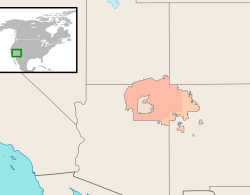
Follow the water:
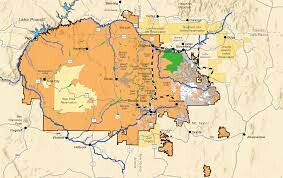
And at the same time they were being pushed to their treaty areas, Lincoln was also protecting the rights and respecting the sovereignty of the Pueblos, who still hold Lincoln in high regard:
Now this is just a small snippet of what Lincoln’s policies with the Indians actually were. From all that I have read up on Lincoln’s dealing with the Indians, the worst thing you can say about him would be that he wasn’t quite experienced and was somewhat naïve with the Indians. “Lakota man said Lincoln bad before he sold me real prayer drum and dreamcatcher” doesn’t cut it with reality.
Indian politics was and is a lot more complicated than whatever blanket statements imply. The “popular” assumption is that the natives were victims – they were willing players in battle over land, just as you see in many civilizations for most of human history. There was a lot of aggression, and tribes which were either nomadic or predatory had a lot of trouble dealing with the white man. And, they were capable foes when they chose to be, and solid allies when they chose to be.
To presume that the Indians as a whole were just losers who were taken advantage of by Caucasian liars is, quite frankly, at best exaggerated, and at worst baloney and insulting.
If the narrative of the Indians you prefer is crafted by activists specifically to appeal to collective guilt and is emerged from a fundamental misunderstanding of the Indian Wars as a whole, you must reconsider your sources.
And? Does that make it good? This is why I’m calling for a huge reform in history education, so that this statue-toppling and subversive nonsense can cease.
Nearly all historical figures have done at least one heinous thing in their past – you can talk about them without trying to take down monuments built in their name out of pure emotional outrage and misguided narratives – the bad ways people were taught history (using bad sources, bad teachers, ideologues, hacks) in order to deliberately provoke and shock you are the reason you see this “tug-at-the-heartstrings” sappiness which I as a historian despise. Even TimeGhost is guilty of this:
This is not how you promote history.